
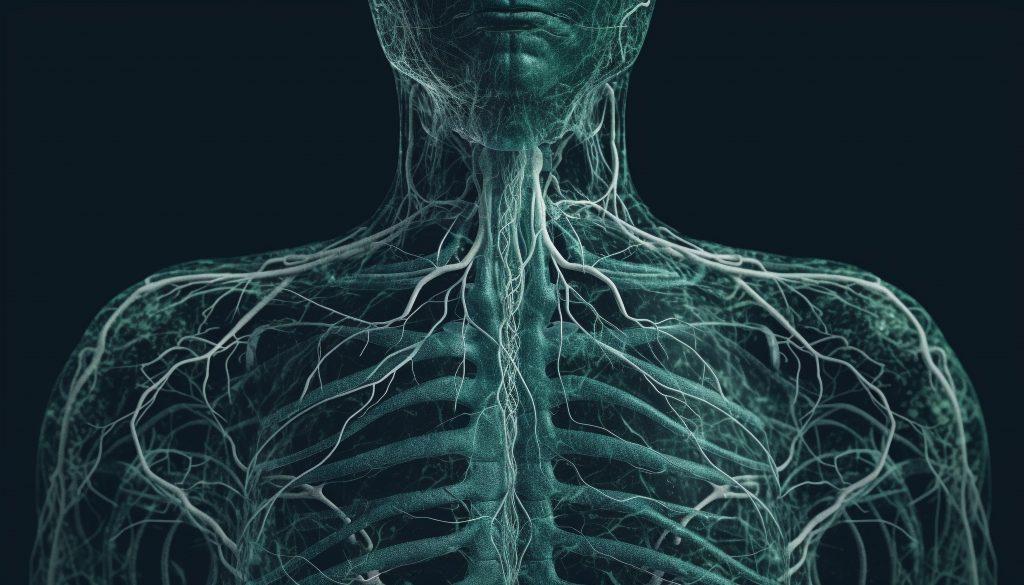
Acupuncture, a key component of traditional Chinese medicine (TCM), has been practiced for thousands of years to promote balance and healing within the body. In recent years, growing interest has emerged around its potential role in supporting the lymphatic drainage system—a crucial yet often overlooked part of human physiology. This article explores how acupuncture may influence lymphatic function, the science behind it, and its potential benefits.
Understanding the Lymphatic Drainage System
The lymphatic system is a network of vessels, nodes, and organs that plays a vital role in maintaining fluid balance, supporting immune function, and removing toxins and waste products from the body. Unlike the circulatory system, it does not have a central pump like the heart. Instead, lymph movement relies on muscle contractions, breathing, and other bodily processes.
When the lymphatic system becomes sluggish or impaired, it can lead to fluid retention, swelling (lymphedema), fatigue, and a weakened immune response. Supporting lymphatic flow is therefore essential for overall health.
Principles of Acupuncture
Acupuncture involves inserting very fine needles into specific points on the body, known as acupoints. According to TCM, these points lie along pathways called meridians through which vital energy, or “Qi,” flows. Disruptions in Qi are believed to cause illness, and acupuncture aims to restore balance.
From a modern biomedical perspective, acupuncture is thought to stimulate the nervous system, improve blood circulation, reduce inflammation, and trigger the release of various biochemical substances.
How Acupuncture May Support Lymphatic Drainage
Although research is still developing, several mechanisms have been proposed to explain how acupuncture might benefit the lymphatic system:
- Improved Circulation
Acupuncture may enhance blood flow and microcirculation, which indirectly supports lymph movement. Better circulation can help reduce fluid stagnation and promote the removal of metabolic waste. - Muscle Relaxation and Movement
By relieving muscle tension, acupuncture can facilitate the natural pumping action that helps move lymph through vessels. - Anti-inflammatory Effects
Inflammation can obstruct lymphatic flow. Acupuncture has been shown in some studies to reduce inflammatory markers, potentially improving lymphatic efficiency. - Autonomic Nervous System Regulation
Acupuncture may help regulate the balance between the sympathetic and parasympathetic nervous systems. This can influence lymphatic vessel contraction and overall fluid regulation. - Support for Immune Function. Since the lymphatic system is closely tied to immunity, acupuncture’s reported ability to modulate immune responses may further enhance lymphatic health
Clinical Applications
Acupuncture is sometimes used as a complementary therapy for conditions involving lymphatic dysfunction, such as:
- Lymphedema (often following cancer treatments)
- Chronic swelling or edema
- Sinus congestion
- Fatigue and immune-related disorders
It is important to note that acupuncture is typically used alongside, not as a replacement for, conventional medical treatments such as manual lymphatic drainage, compression therapy, or physical rehabilitation.
What the Research Says
Scientific evidence on acupuncture’s direct effects on lymphatic drainage is still limited but growing. Some small studies and clinical observations suggest benefits in reducing swelling and improving quality of life, particularly in patients with lymphedema. However, more large-scale, controlled trials are needed to establish definitive conclusions.
Safety and Considerations
Acupuncture is generally considered safe when performed by a qualified practitioner. However, individuals with certain conditions—such as compromised immune systems or those undergoing cancer treatment—should consult their healthcare provider before beginning acupuncture therapy.
Proper technique is especially important when dealing with lymphatic conditions to avoid complications or worsening symptoms.
Conclusion
Acupuncture offers a promising complementary approach to supporting the lymphatic drainage system. While rooted in ancient practices, its potential mechanisms are increasingly being explored through modern science. Although more research is needed, acupuncture may provide benefits such as improved circulation, reduced inflammation, and enhanced immune function—all of which contribute to healthier lymphatic flow.
As interest in holistic and integrative medicine continues to grow, acupuncture may play an increasingly valuable role in supporting lymphatic health and overall well-being.