
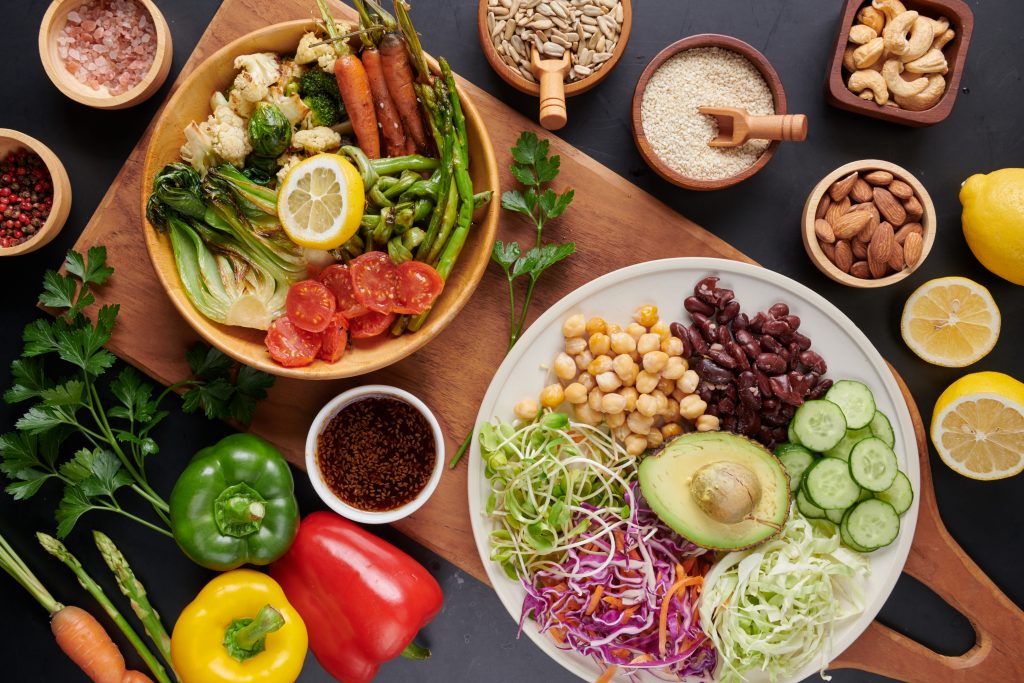
In today’s fast-paced, convenience-driven society, our relationship with food has become increasingly disconnected from its original purpose: to nourish, sustain, and heal. Functional nutrition offers a refreshing return to this foundation, emphasizing a personalized, whole-food approach that views food not just as fuel, but as powerful medicine. By embracing seasonal eating, understanding the impact of processed foods, and simplifying our approach to meals, we can rebuild a healthier, more intuitive connection with what we eat—even in the midst of a busy life.
Food as Medicine: A Foundational Principle
At the heart of functional nutrition lies the concept of “food as medicine.” This philosophy recognizes that the nutrients in whole foods directly influence every system in the body—from digestion and immunity to hormones and mental health. Rather than simply managing symptoms, functional nutrition seeks to address root causes of imbalance through dietary and lifestyle changes.
For example, leafy greens rich in magnesium can support stress regulation, while omega-3 fatty acids found in oily fish help reduce inflammation. Fermented foods nurture the gut microbiome, which in turn affects immunity and even mood. In this way, every meal becomes an opportunity to either support or hinder the body’s natural processes.
Seasonal Nutrition Eating: Aligning with Nature’s Rhythm
Seasonal eating is a cornerstone of traditional diets and an essential element of functional nutrition. Consuming foods that are naturally available during specific times of the year ensures freshness, optimal nutrient density, and alignment with the body’s changing needs.
In colder months, root vegetables, squashes, and warming foods provide grounding energy and support immunity. In contrast, summer brings an abundance of hydrating fruits and lighter vegetables that help cool and refresh the body. Seasonal produce is often grown locally, meaning it spends less time in transit and retains more of its nutritional value.
Beyond physical health, seasonal eating fosters a deeper awareness of nature’s cycles, encouraging variety in the diet and reducing reliance on heavily preserved or imported foods.
Understanding Processed Foods
The term “processed food” is often misunderstood. At its core, processing simply refers to any alteration of a food from its natural state—washing, chopping, freezing, and cooking all fall under this definition and can be beneficial.
However, functional nutrition draws a clear distinction between minimally processed foods and ultra-processed products. Ultra-processed foods are typically industrial formulations containing refined sugars, unhealthy fats, additives, preservatives, and artificial ingredients. These foods are designed for convenience and shelf life rather than nourishment.
Regular consumption of ultra-processed foods has been linked to a range of health concerns, including metabolic imbalances, inflammation, and poor gut health. They often displace more nutrient-dense options in the diet, contributing to deficiencies despite adequate calorie intake.
Back to Basics: Simplifying Nutrition in a Busy World
One of the most common challenges people face is maintaining healthy eating habits amidst demanding schedules. Functional nutrition does not require perfection or complexity—in fact, it thrives on simplicity.
Returning to basics can start with a few practical shifts:
- Prioritizing whole, recognizable ingredients
- Cooking simple meals at home when possible
- Planning ahead to reduce reliance on convenience foods
- Keeping nourishing staples on hand, such as fresh produce, whole grains, legumes, and quality proteins
Batch cooking, preparing meals in advance, and choosing versatile ingredients can make healthy eating more accessible. Even small changes—like swapping packaged snacks for fruit and nuts or incorporating more vegetables into meals—can have a meaningful impact over time.
A Sustainable Approach to Wellbeing
Functional nutrition is not about rigid rules or restrictive diets; it is about cultivating awareness and making intentional choices that support long-term health. By viewing food as medicine, embracing seasonal eating, and minimizing reliance on ultra-processed products, we can reconnect with the fundamentals of nourishment.
In a world that often prioritizes speed and convenience, returning to these basics offers a powerful path toward balance, resilience, and vitality. Ultimately, functional nutrition reminds us that the simplest choices—grounded in nature and tradition—are often the most profound.