
If you’ve been told that your endometrial lining is thin, or that your lining isn’t developing quite as you’d hoped, it can be incredibly difficult not to worry.
You may find yourself wondering whether there is anything more you can do to support your body before trying to conceive, during fertility treatment, or before an embryo transfer.
This is something I hear about often in my fertility practice.
Acupuncture can be a gentle and supportive addition to your fertility journey, and there is growing research looking at whether it may influence the endometrium, including endometrial thickness and receptivity.
But I also believe it is important that we talk about the evidence honestly.
Acupuncture may have a role to play in supporting endometrial health, but we don’t yet have strong enough evidence to say that acupuncture reliably thickens the lining or increases the chance of having a baby.
Why is the endometrial lining important?
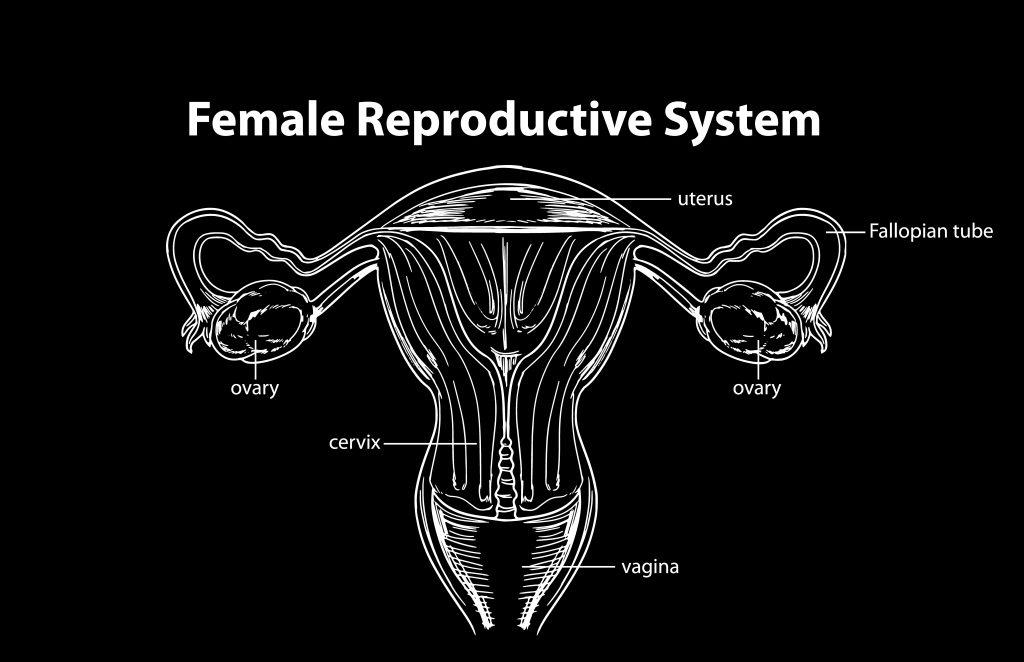
The endometrium is the soft, nourishing lining inside the uterus.
Throughout your menstrual cycle, it changes in response to your hormones. Following menstruation, estrogen stimulates the lining to grow and develop. After ovulation, progesterone helps prepare it for the possibility of implantation.
If an embryo is created, either naturally or through IVF, it needs to implant into the endometrium.
You may have heard your fertility clinic talk about your lining in terms of its thickness, often measured by ultrasound in millimeters. Thickness can provide useful information, but it is only one part of the picture.
The appearance and development of the lining, its blood supply and its biological receptivity are also relevant.
This is important because a thicker lining does not automatically mean a more receptive lining.
Fertility is wonderfully complex, and there isn’t one measurement that can tell us everything about your chances of becoming pregnant.
Can acupuncture help to build the endometrial lining?
This is where things become particularly interesting.
Research has been looking at whether acupuncture may influence endometrial thickness and other measures associated with endometrial receptivity.
Some studies and systematic reviews have reported improvements in endometrial thickness when acupuncture is used alongside fertility treatment.
A recent 2025 overview of systematic reviews looked specifically at acupuncture and endometrial receptivity in women experiencing infertility.
The researchers found that acupuncture, particularly when used alongside other fertility treatments, showed potential benefits for measures including endometrial thickness and some pregnancy outcomes.
However, there is an important caveat.
When the researchers assessed the quality of the existing evidence, the majority of the evidence was rated as low or very low quality. They concluded that the current research is not strong enough to draw firm conclusions about whether acupuncture genuinely improves endometrial receptivity.
And I think this is an important message for anyone considering acupuncture.
It is perfectly reasonable to feel hopeful about the possibilities of acupuncture without being told that it is a guaranteed way to “build your lining”.
So why might acupuncture help?
Research has explored several possible mechanisms, including changes in blood flow, vascular function, hormonal signaling and communication between the nervous and reproductive systems.
Some researchers have proposed that acupuncture may support circulation to the pelvic region, which is of interest because the endometrium needs a good blood supply as it develops.
There is also interest in the way acupuncture interacts with the autonomic nervous system and the body’s stress response.
But it is important to distinguish between a proposed biological mechanism and a proven clinical outcome.
Research suggesting that acupuncture may influence blood flow, for example, does not automatically mean that it will result in a thicker lining or a higher chance of pregnancy.
We need more high-quality research to understand exactly what is happening.
Acupuncture and endometrial receptivity
You may have come across the term “endometrial receptivity”.
This describes the period when the lining of the uterus is biologically prepared for an embryo to implant.
Endometrial receptivity is more complicated than simply having a lining of a particular thickness. Researchers are interested in factors including the structure of the endometrium, blood flow and molecular changes that occur around the time of implantation.
A recent overview of systematic reviews found that acupuncture may have potential benefits for some measures of endometrial receptivity, but also highlighted significant weaknesses in the research.
Of the 55 outcomes assessed in that review, more than 90% were supported by low- or very-low-quality evidence. The authors concluded that better-designed, standardized clinical trials are needed before we can be confident about acupuncture’s effect on endometrial receptivity.
So, while the research is promising enough to be interesting, it isn’t yet strong enough to make definitive claims.
What I love about taking a whole-body approach
When someone comes to see me because they are concerned about their endometrial lining, I don’t want to focus solely on the number written on an ultrasound report.
I want to understand you.
Your menstrual cycle.
Your previous fertility experiences.
Whether you’ve had IVF or embryo transfer before.
How your body responds throughout your cycle.
What your fertility clinic has told you.
And, perhaps most importantly, how you’re feeling through all of this.
Trying to conceive can be an emotional roller coaster. When every scan, blood test and appointment feels as though it is carrying so much hope, it is completely understandable to feel anxious about whether your body is “doing enough”.
Acupuncture can provide a quiet space within that process.
A time to pause.
A time to breathe.
A time when you don’t have to be thinking about your next appointment, your next scan or what your next test result might say.
And while I would never tell you that acupuncture can guarantee implantation or pregnancy, I do believe there is value in supporting the person as a whole.
If your lining is thin
If you’ve been told that your endometrial lining is thin, it is worth discussing this with your fertility specialist or doctor.
There can be different reasons why an endometrium may not develop as expected, and these need to be considered individually.
Your medical team may want to look at your hormonal environment, your previous procedures or treatments, your uterine health and how your lining develops across the cycle.
Acupuncture can sit alongside this medical care rather than replace it.
This distinction is really important.
Acupuncture should be complementary to appropriate fertility investigation and treatment, not an alternative to it.
What can you expect from fertility acupuncture?
There isn’t currently one scientifically proven acupuncture protocol for building the endometrial lining.
Treatment should therefore be individualised rather than based on the idea that a particular set of acupuncture points will guarantee a particular result.
Depending on where you are in your fertility journey, treatment may be planned around your menstrual cycle or alongside fertility medication, IVF or embryo transfer.
I will also take time to understand how you are feeling physically and emotionally, because these things matter too.
For many people, acupuncture becomes more than simply another appointment.
It can become a moment in the week where they feel cared for, listened to and able to slow down.
Hope, but with honesty
If you’re hoping that acupuncture might help to support your endometrial lining, I think it is entirely reasonable to explore it.
There are some encouraging findings in the research, particularly around endometrial thickness and other measures of receptivity when acupuncture is used alongside conventional fertility treatment.
But the evidence is not yet strong enough for us to say that acupuncture definitely builds the lining or improves your chance of having a baby.
And I think you deserve to be told that.
You deserve fertility care that allows room for hope without making promises that the evidence cannot support.
The bottom line
Acupuncture may have potential as a supportive therapy for endometrial health, but more high-quality research is needed.
If you choose acupuncture, I would encourage you to see it as one part of a wider approach to fertility care — alongside appropriate medical assessment, evidence-based treatment, nourishing your body, looking after your emotional wellbeing and giving yourself the kindness you deserve.
Your body is not a machine that has failed because your lining isn’t measuring exactly as you’d hoped.
Fertility is complex.
And sometimes, the kindest thing we can do is support the body, support the mind and take things one step at a time.
If you would like to explore whether acupuncture could be a supportive part of your own fertility journey, I would be very happy to talk through your individual circumstances and answer any questions you may have. To book an appointment please use my appointments page here: www.yolo-acupuncture.co.uk/appointments
A gentle note
This article is for general educational purposes and is not intended to replace individual medical advice. If you have concerns about your endometrial lining, fertility or fertility treatment, please speak with your GP, fertility specialist or other appropriately qualified healthcare professional. Acupuncture should be considered a complementary therapy and should not replace appropriate medical investigation or treatment.