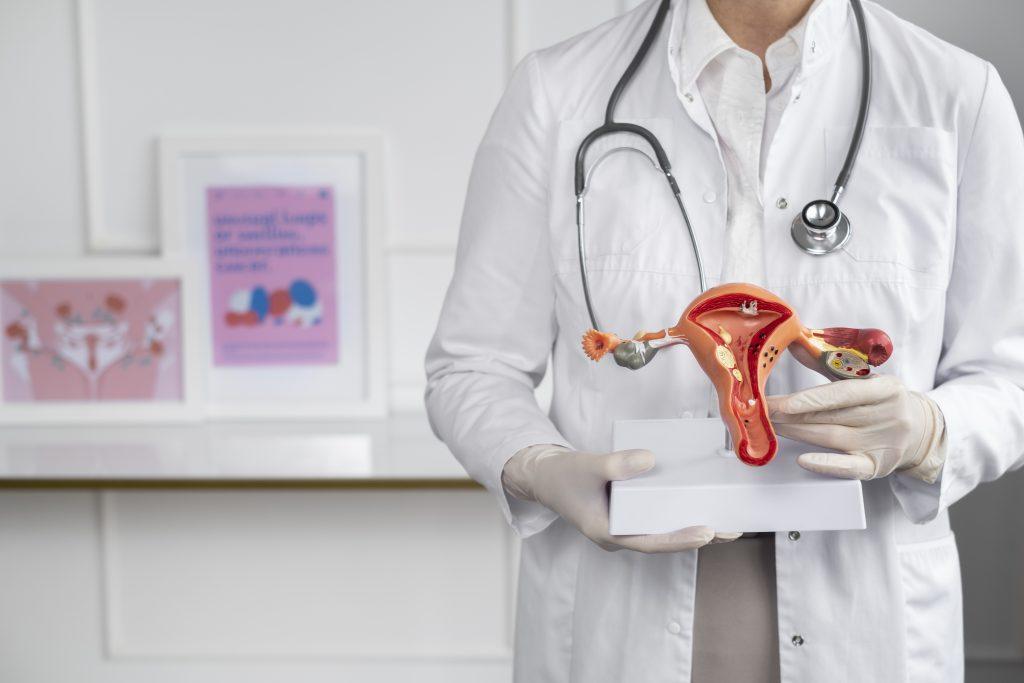
Polyendocrine metabolic ovarian syndrome (PMOS) is a hormone condition that can affect hair growth, periods, fertility and mood. There is no cure, but treatments and lifestyle changes can help. PMOS used to be called polycystic ovary syndrome (PCOS).
PMOS is a hormonal disorder affecting up to 10% of women of reproductive age. Symptoms often include irregular periods, infertility, weight gain, acne, and excessive hair growth. While conventional treatments involve lifestyle changes, medications, and hormone therapy, many women are turning to complementary therapies such as acupuncture to manage their symptoms.
PMOS is considered an inflammatory disease, specifically characterised by chronic, low-grade systemic inflammation. This means that the body maintains elevated levels of inflammatory markers (such as CRP, IL-6 and TNF-a) that drive symptoms like insulin resistance, androgen excess and infertility. Most people with PMOS have chronic mild inflammation, even if it does not show up on typical acute blood tests. It is important to note that treatments for PMOS may differ from person to person.
Polyendocrine metabolic ovarian syndrome (PMOS) affects millions of women worldwide, bringing a mix of frustrating symptoms like irregular periods, unwanted hair growth, acne, and challenges with fertility. While lifestyle changes and medications are often part of the treatment plan, many women are exploring complementary approaches to feel more in control of their health.
One such approach gaining attention is acupuncture—an ancient practice that might hold modern benefits. By balancing hormones, improving blood flow, and reducing stress, acupuncture offers a holistic way to manage PMOS symptoms and support overall well-being.
What is Acupuncture?
Acupuncture is a traditional Chinese medicine technique that involves inserting fine needles into specific points on the body to stimulate energy flow (Qi) and promote balance. Modern research suggests acupuncture may also influence the nervous, endocrine, and circulatory systems, which can be particularly beneficial for conditions like PMOS.
How Acupuncture May Help PMOS
- Regulating Menstrual Cycles
Women with PMOS often experience irregular or absent periods. Acupuncture has been shown to influence hormonal balance, particularly luteinizing hormone (LH) and follicle-stimulating hormone (FSH), which are key in regulating ovulation. Some studies have found that regular acupuncture treatments can restore more predictable menstrual cycles. - Improving Fertility
By improving ovarian function and blood flow, acupuncture may support ovulation in women struggling with PMOS-related infertility. Several clinical trials suggest acupuncture, combined with lifestyle changes or fertility treatments, can improve the likelihood of conception. - Reducing Androgen Levels and Symptoms
Excess androgens in PMOS can cause acne, hair growth, and scalp hair loss. Acupuncture may help reduce androgen levels and improve these symptoms by regulating the endocrine system. - Supporting Weight Management and Metabolic Health
Many women with PMOS struggle with insulin resistance and weight gain. Some evidence indicates acupuncture may improve insulin sensitivity, metabolism, and appetite regulation, supporting overall metabolic health. - Reducing Stress and Supporting Mental Health
PMOS can be physically and emotionally taxing. Acupuncture has been shown to reduce stress and anxiety by modulating the autonomic nervous system, which can indirectly help with hormonal balance.
What to Expect in an Acupuncture Session for PMOS
A typical session lasts 30–60 minutes. A licensed acupuncturist may focus on points around the abdomen, legs, and ears, tailored to the patient’s symptoms. Treatments are often scheduled once per week over several months for optimal results. To book please use the link here: https://yolo-acupuncture.co.uk/appointments/
Scientific Evidence
- A 2018 review in the Journal of Obstetrics and Gynaecology concluded that acupuncture can improve menstrual frequency and ovulation in women with PCOS.
- Research in Fertility and Sterility suggests acupuncture can enhance blood flow to the ovaries, potentially improving fertility outcomes.
- Studies in Evidence-Based Complementary and Alternative Medicine highlight improvements in insulin resistance and androgen levels after regular acupuncture treatment.
Food & Lifestyle Management to help PMOS
Lifestyle changes, including a health diet, exercise to reduce adipose tissue and sometimes specific supplements are crucial for managing this inflammation.
Nutrition
Eating the right foods while avoiding certain ingredients may help manage PMOS symptoms. Focus on whole foods that are free from artificial sugars, hormones and preservatives. Incorporate fruits, vegetables, whole grains and legumes into your daily diet.
The diet should focus on managing insulin resistance and reducing inflammation through high-fibre, low-glycaemic index (GI) foods. Key strategies include eating whole grains, lean proteins, healthy fats, and limiting processed sugary items.
Precautions and Considerations
Acupuncture is generally safe when performed by a licensed practitioner, but it’s important to discuss it with your healthcare provider, especially if you are undergoing fertility treatments or have other medical conditions.
Conclusions
Acupuncture is emerging as a promising complementary therapy for managing PMOS. While it may not replace conventional treatments, it can support hormonal balance, improve fertility, reduce stress, and alleviate many symptoms of PMOS. As always, individualized care and consultation with both medical and acupuncture professionals are key to achieving the best outcomes.
PMOS can feel overwhelming, but solutions don’t have to be limited to medications and strict routines. Acupuncture offers a natural, supportive option that addresses both physical symptoms and emotional well-being. From regulating menstrual cycles and supporting fertility to reducing stress and improving metabolic health, it can be a valuable addition to a comprehensive PMOS management plan. As always, combining acupuncture with professional medical guidance ensures a safe, effective, and personalized path toward feeling your best.